


Scroll down
Scroll down
Scroll down
What equipment do we supply?
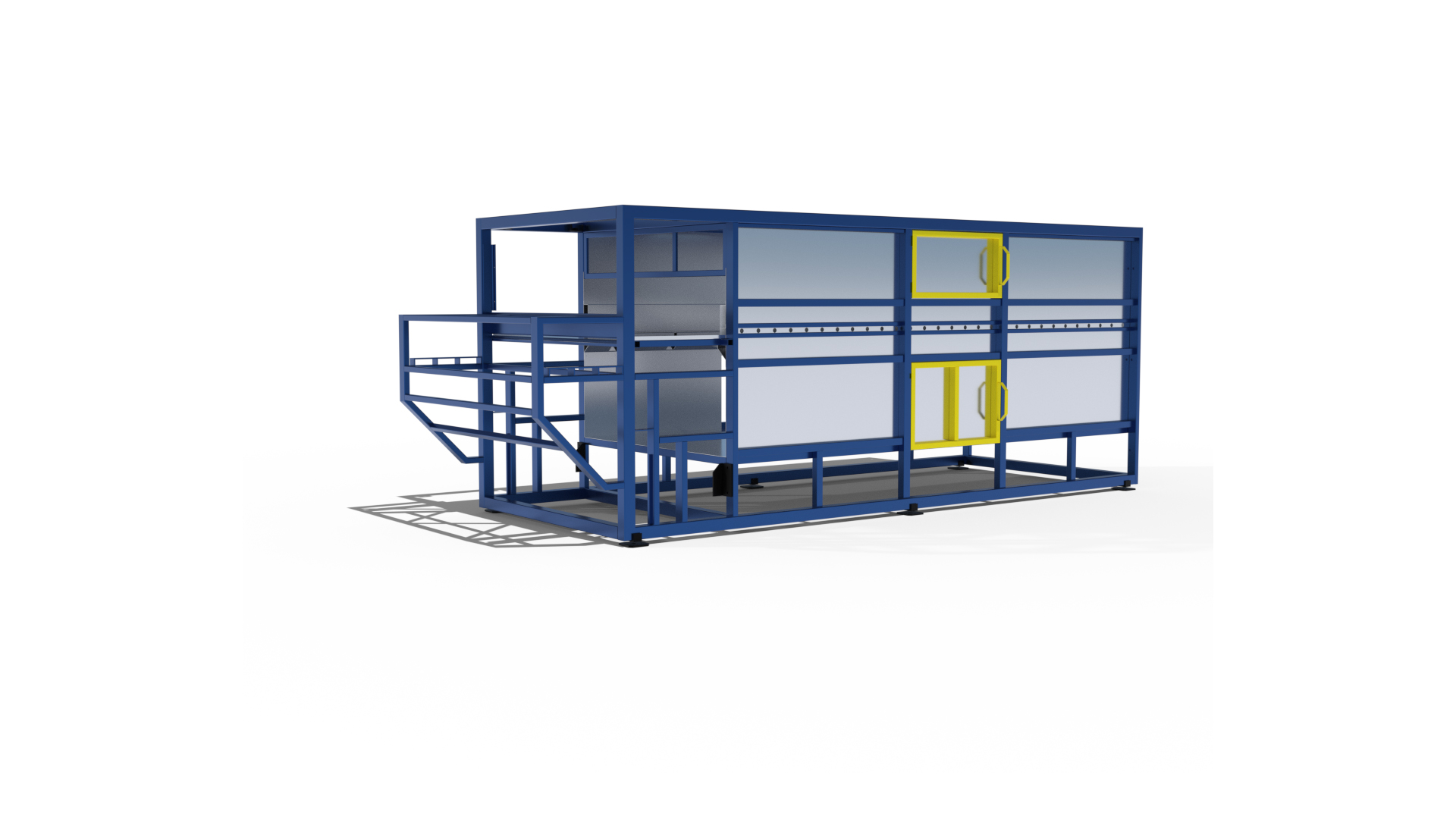
Belt dryers
What are belt dryers used for?
A belt dryer is a device for continuous drying of materials with very good air permeability. It is an ideal solution for large quantities of raw material, with drying capacity ranging from 400 kg/h to 6000 kg/h, with belt dryers with capacity of 1000-2500 kg/h being most commonly used.
Their basic functions include:
Uniform moisture removal from granular, strip and flake materials
Continuous drying without stopping operation (ability to feed and discharge simultaneously)
Automatic control of product outlet moisture
Ability to dry at low and moderate temperatures (60-140°C)
How does a belt dryer work?
The operating principle is relatively simple, although the mechanism is complex
Drying process
Material is placed on a specialized conveyor belt (mesh or polyamide), which systematically moves through the drying chamber (enclosed tunnel). Hot air flows mainly from top to bottom through the material, causing moisture evaporation. Fans located under the belt remove humid air. The material moving towards the discharge gradually loses moisture. At the end of the belt there is a cooling zone that lowers the product temperature to an acceptable level.
Heat sources
Thermal energy is delivered to a water or steam heat exchanger in the form of hot water (e.g. from a cogeneration plant) and technical steam.
Technical specifications
Construction materials
Frame and housing
Construction made of carbon steel or stainless steel on a panel basis
Thermal insulation of the drying tunnel reducing heat losses
Closed, insulated construction enabling operation in extreme conditions (temperatures down to -40°C)
Conveyor belt
Belt made of woven polyamide, resistant up to 140°C
Belt made of antistatic synthetic polyester
Special weave density allows drying of very fine dusty materials, simultaneously serving as a natural filter
Main components
Radial fans with inverters (speed control)
Double distribution screws for uniform spreading
Discharge screw conveyor
Belt drive system with electric motor
Rotary agitation devices for uniform product mixing
Belt cleaning system (wet and dry)
Operating parameters
Operating temperatures 60-140°C (depending on type and product)
Fully automated operation, capable of 24/7 running
Energy consumption approx. 400 kWh per ton of evaporated water (low-temperature systems)
Process control via automatic regulation of belt speed and fan power
Monitoring via continuous measurement of product moisture at the outlet
Applications in individual industries
Wood Industry
Belt dryers are commonly used for drying sawdust, wood chips, shavings and other materials mainly originating from wood processing, wood fuel preparation for combustion, pulp for wood pellet production, and bark as a by-product of processing
Agriculture
Grains and seeds: wheat, corn, barley, oats, Feeds and forage: alfalfa, sugar beet pulp, Vegetables and fruits: drying in slice and flake form, Dry pet food - production of complete feeds
Energy and Alternative Fuels
Belt dryers are particularly valuable in cogeneration plants where they utilize waste heat, allowing energy savings of up to 55%. Wood biomass - drying for electricity and heat production, RDF/SRF (Refuse Derived Fuel) - fuel from mixed municipal waste, Digestate from biogas plants - fermentation by-product which after drying can be burned, Bark and wood mixture - fuels from collective waste collection
Chemical Industry
Drying of chemical products, pigments and dyes, catalysts; ability to handle hazardous products thanks to enclosed construction
Environmental Protection and Waste Management
Sewage sludge from treatment plants (volume reduction to granules, reducing disposal costs by over 12,000 tons/year), post-fermentation digestate - can be processed into pellets, recycled raw materials - preparation for further processing, dried sludge can be used as fuel in power plants
Construction
Drying sand for mortar production, drying materials for facade production, drying construction aggregates
Recycling
Belt dryers support recycling processes by drying materials subjected to segregation, preparation of secondary raw materials (e.g. paper and cellulose waste), and improving material quality for reuse
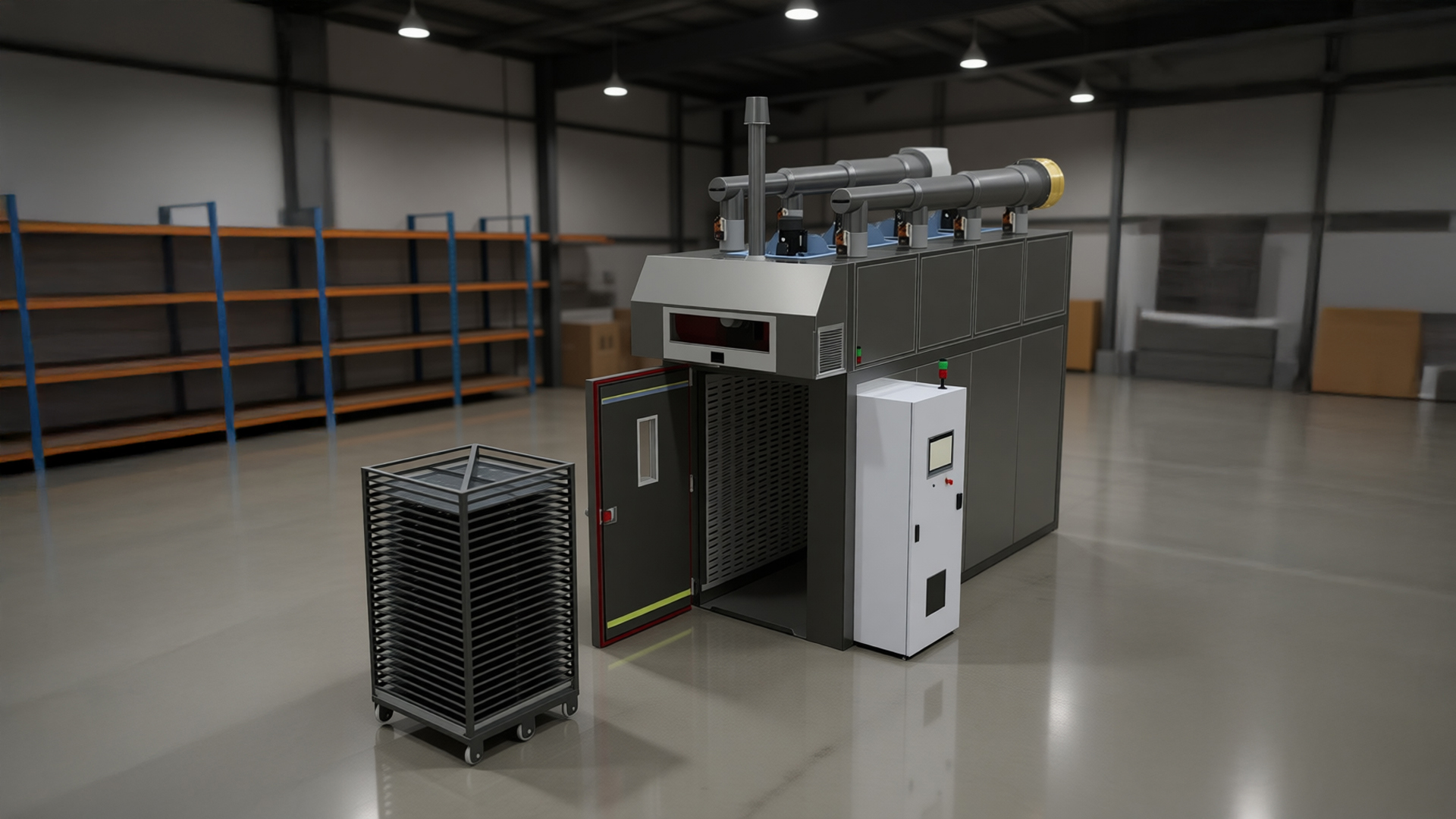
Chamber dryers
What are chamber dryers used for?
A chamber dryer is a device designed for removing moisture from various materials through controlled thermal processing. It is a hermetically sealed chamber where material is subjected to heated air under precisely controlled conditions. The main purpose of a chamber dryer is to achieve optimal material moisture content, which improves its functional properties, extends storage life, and ensures product hygienization. Chamber dryers have found application in numerous industrial sectors thanks to their versatility and ability to precisely control process parameters.
How does a chamber dryer work?
The drying process in the chamber is based on forced air circulation and heat and mass transfer between the material and its surroundings. Here are the subsequent stages of operation:
Air flow
Axial fans force air circulation inside the chamber through the material and heaters, ensuring uniform distribution of heat and moisture around the entire dried material. Many devices use reversible fans that change the direction of airflow, providing more uniform drying.
Moisture removal
Moisture from the material migrates into the air. Moisture-saturated air is discharged outside the chamber through exhaust ducts. The amount of moisture removed depends on the regulation of exhaust vent openings.
Air humidity regulation
Air humidity in the chamber is controlled by opening or closing exhaust vents and a water humidification system. The control system regulates temperature and humidity based on the current moisture content of the dried material.
The drying process proceeds in three stages
Heating – increase in air temperature at constant humidity
Drying – maintaining constant temperature and humidity parameters
Cooling – controlled temperature reduction after process completion
Technical specifications
Construction materials
Chamber dryers are manufactured from high-quality materials ensuring durability and resistance to moisture and temperature
Stainless steel AISI 304 or AISI 316 (most commonly used)
Galvanized steel for applications where sanitary requirements are not required
Aluminum modular panels – skeletal structures with aluminum panels filled with non-combustible mineral wool (thermal insulation)
Silicone sealing ensuring chamber tightness
Control and monitoring systems
Operator panel – screens from 7″ to 22″ (in standard or stainless steel version)
Automation system: microprocessor controller MS-201 or similar, enabling moisture measurement of the material at five points and air temperature at two points
Temperature measurement accuracy: up to ±0.35 °C
Data logging: automatic recording of process parameters to USB drive
Dynamic damper regulation: reduction of electrical energy consumption through automatic adjustment of air supply
Heating sources
biomass boiler system
Applications in individual industries
Wood Industry
Chamber dryers are the primary tool in wood processing, where dried wood achieves moisture content of 6–15% depending on the intended application. Chamber drying of wood proceeds faster than natural drying (several days to two weeks instead of weeks or months), and high temperature eliminates pests and mold.
Agriculture
In agriculture, chamber dryers are commonly used for drying fruits (pineapples, apples, pears, oranges, mango, berries), vegetables (onion, carrot, pepper, garlic), mushrooms, herbs, seeds, and animal feed. Controlled temperature prevents destruction of nutritional value and loss of flavor.
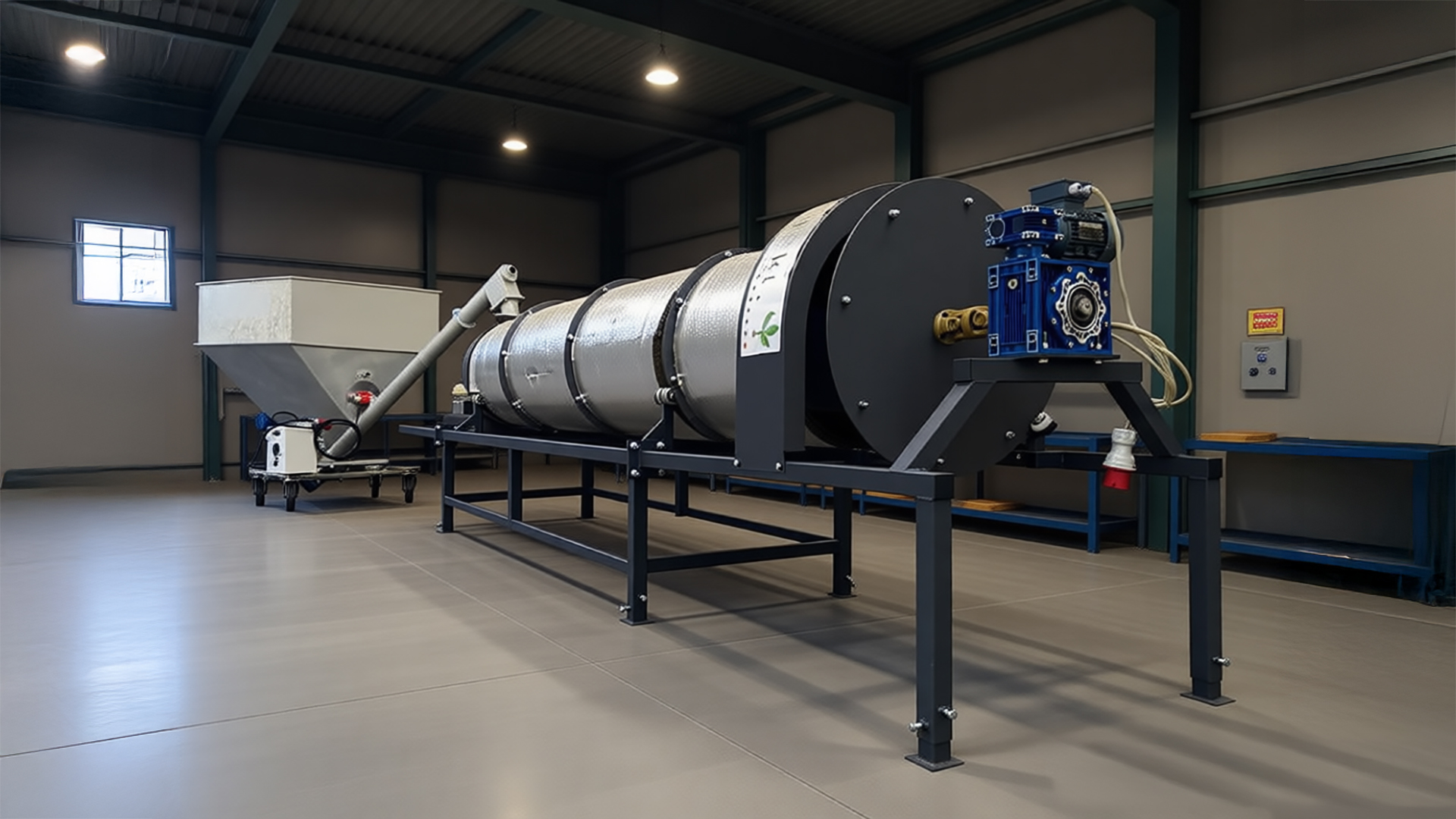
Through-flow dryers
Through-flow dryers are used for continuous drying of loose, granular or small-piece materials, such as grains, corn, legume seeds, sawdust, pellets, feed or other agricultural and industrial raw materials. They are primarily used in agriculture as well as in the food, feed, wood and energy industries. The drying process takes place continuously – material is fed from the top of the dryer and moves gravitationally downward through successive zones where hot air flows. This air, heated by heaters or heat exchangers, removes moisture from the material, which at the end of the process is directed to a cooler or directly to a storage tank. Through-flow dryers provide uniform and rapid drying of large quantities of raw material while maintaining its quality. They are efficient, energy-saving and can be automated, enabling precise control of temperature, drying time and air flow. Therefore, they find wide application in farms and processing plants that require an efficient and continuous drying process.
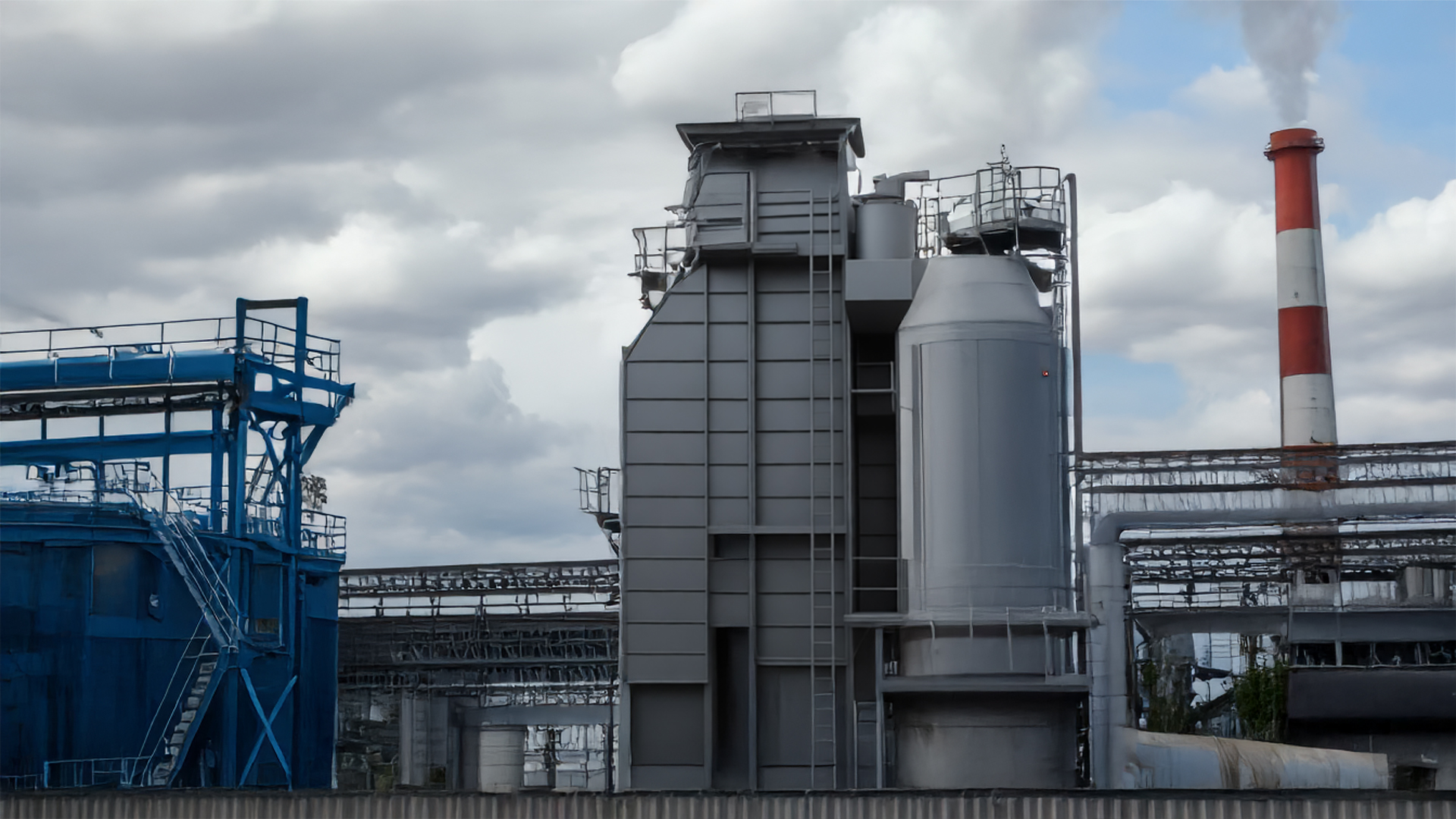
Column dryers
Column dryers are used for drying bulk materials, primarily grains, corn, rapeseed and legume seeds, to reduce their moisture content before storage. This process prevents spoilage, mold and fungal growth, and loss of crop quality. They operate on the principle of hot air flowing through a column filled with grain material. Grain is fed into the upper part of the dryer and slowly moves downward under gravity, while heated air from a heater flows through the grain, removing moisture. The dried grain is then transferred to a cooler or directly to a silo. Column dryers are widely used in farms and grain processing plants due to their high efficiency, uniform drying, and ability to automatically control temperature and air flow. Thanks to their design, they ensure continuous operation and efficient utilization of thermal energy.